
HOW TO AVOID STRETCH MARKS AFTER PREGNANCY
“A woman’s greatest asset is her Beauty” is the saying yet most of the women lost their outer beauty after their pregnancy. Though their inner beauty increases during motherhood , their appearance like weight gaining, fat belly and stretch marks in their abdomen make them feel little odd. Mainly, the stretch marks after pregnancy causes for nine out of ten pregnancies, usually in the sixth or seventh month. These pinkish streaks around stomachs, breasts or hips happen when collagen and elastin (the fibres that keep your skin taut) stretch and snap during pregnancy due to the pressure of rapid weight gain.
The initial stage of stretch marks
You’ll start to notice these stretch marks when you’re somewhere around 13 weeks to 21 weeks pregnant. Up to 90% of all pregnant women get these pink, red, yellow, tan or sometimes purplish or brown streaks. You’ll most likely notice them across your belly, butt, thighs, hips or breasts.
Reason behind the occurrence of stretch marks
Stretch marks are actually tiny tears in the supporting layers of tissue under your skin as it’s pulled tight to the limit during pregnancy. Whether or not you get them has a lot to do with genetics, chances are, if your mother had them, you probably will too, but she sailed through her pregnancies with smooth skin intact, you’ll likely follow suit. Rapid pregnancy weight gain can also make you more prone to getting stretch marks.
How to avoid stretch marks
Though stretch marks are usually genetic, there are a few ways to try to minimize their appearance.
MOISTURIZE: Cocoa butter certainly won’t hurt, moisturizing daily will help with the dryness and itchy skin associated with pregnancy.
NOURISHMENT FROM INSIDE: Eating plenty of Vitamin C – rich foods may also help keep your skin toned and less subject to stretch marks.
WATCH YOUR WEIGHT: Keep an eye on that scale during pregnancy and put your pounds on slowly and steadily instead of in big spurts. Keep in mind that eating for two doesn’t mean literally eating twice as much, so when possible, try to follow the general recommendations for caloric intake during pregnancy. Stretch marks will be around for a bit, and might even look a little more noticeable post-delivery. Fortunately, your stretch marks won’t stay so vividly hued forever. After baby arrives, they usually fade to a less noticeable silvery gray color.
It is said keeping your skin hydrated decreases the chance a woman will get stretch marks. Scratching as your stomach expands, the skin may become scratchy. Do not scratch, instead , rub lotion or powder on to alleviate the itchiness.
COCONUT OIL FOR STRETCH MARKS
Stretch marks can’t be removed by using coconut oil or any other topically applied product. But coconut oil may improve the overall appearance of skin, which could reduce the look of stretch marks. It may also promote healing and prevent stretch marks from occurring.
CHECK FOR A ZINC DEFICIENCY
If you have a zinc deficiency, then it hampers your body’s ability to produce adequate collagen and antioxidants. Therefore, you should include zinc-rich foods, such as eggs, chicken and nuts to prevent the marks.
USING OIL TREATMENTS
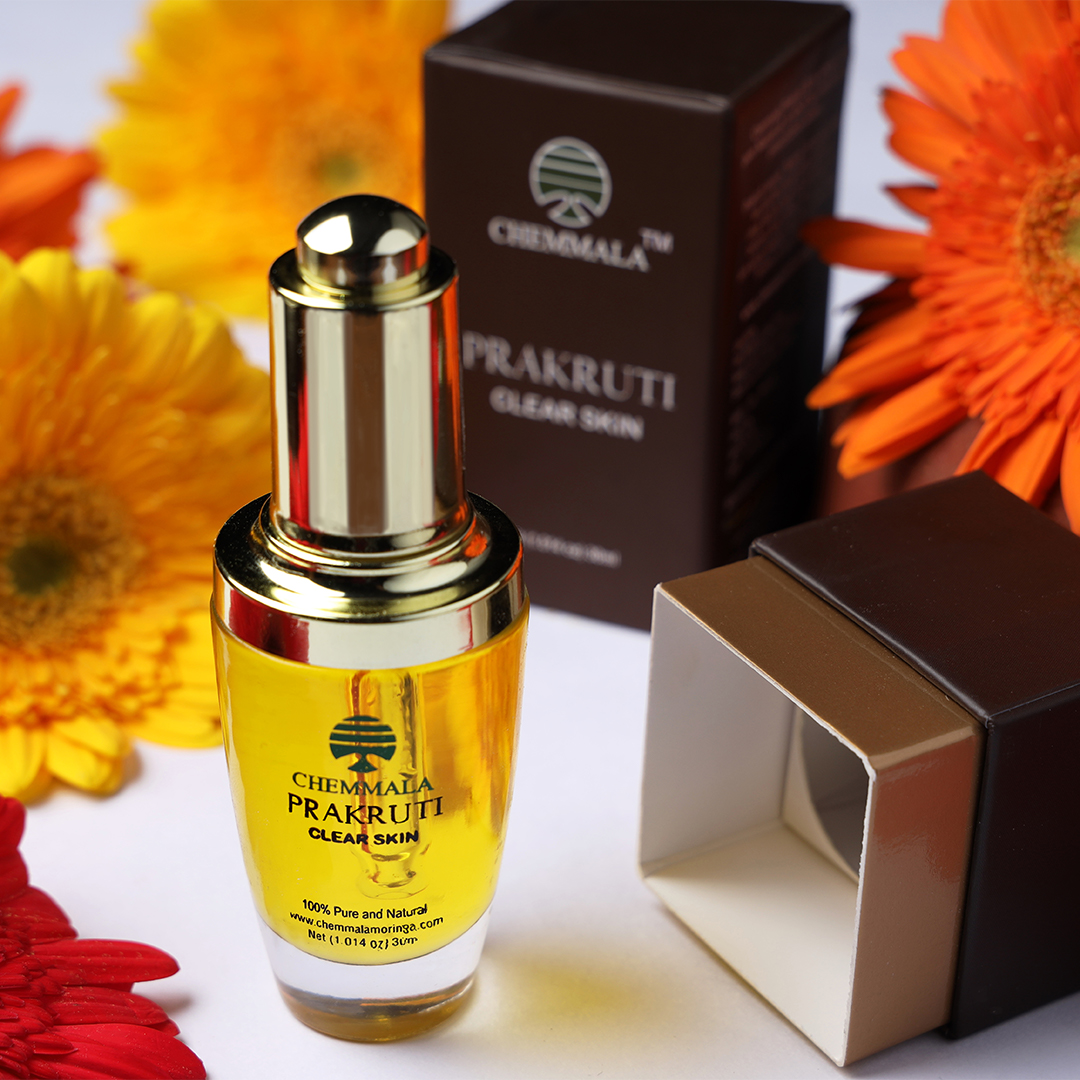
Using various oils such as castor oil, vitamin E oil and other essential oils to improve the elasticity of your skin. These oils have antioxidant properties which are helpful in free radical damage and in preventing stretch marks. You may also use serums available on the market to keep your skin moist and hydrated.
HEALTHY FOOD DIET
It is recommended to include food rich in gelatine, vitamin A, C and E to help improve the elasticity of your skin and keeping the marks at bay.
HOME REMEDIES TO REMOVE STRETCH MARKS
Stretch marks cannot completely go away, however, some home remedies are effective in fading them, such as:
- Use alfalfa leave: These leaves have detoxifying and antifungal properties. The paste made of alfalfa leaves and chamomile oil can be applied to the affected area twice a day for results.
- Use sandalwood and turmeric: you may apply a paste made from equal amounts of sandalwood and turmeric, on the affected area. Scrub off the paste to get a brighter and even skin tone. You may apply this paste for 5 to 6 months to see an improvement.
- Use potato juice: you may apply potato juice on your stretch marks and wash it off with warm water. Apply for a few months to see them fade.
- Apply apricot paste: Make a paste from the apricot fruit after deseeding it. Apply to the affected area for a few minutes and rinse off. You may repeat it on regular basis to get rid of the marks completely
- Apply lemon juice: can apply lemon juice on the stretch marks and let your skin soak it for a few minutes. Rinse with warm water and repeat regularly for best results.
- Apply sugar scrub: Make a scrub with sugar, lemon juice and almond oil and apply before bath every day for a few months to lighten.
- Use eggs whites: Applying egg whites on the affected area and let it dry. Wash with cold water and apply olive oil. Using this treatment for a few weeks to fade away the stretch marks.
- Apply honey: Applying allovera regularly on the affected area to get rid of the marks. It also soothes and heals your skin.
- Oil treatments: You may use various oils, such as castor oil, Vitamin E oil, Olive oil etc to massage the affected area. Massaging with these oils help improve the blood circulation, which is very effective in removing stretch marks.
Apart from various preventive and home remedial measures, there are many medical treatments such as laser therapy, chemical peels, glycolic acid etc. Before opting for any treatment to get rid of stretch marks, consulting doctor is necessary.
What We Do

Lorem Ispum
Vestibulum ac diam sit amet quam vehicula elementum sed sit amet dui donec.

Dolor Amet
Vestibulum ac diam sit amet quam vehicula elementum sed sit amet dui donec.

Sit Consectetur
Vestibulum ac diam sit amet quam vehicula elementum sed sit amet dui donec.